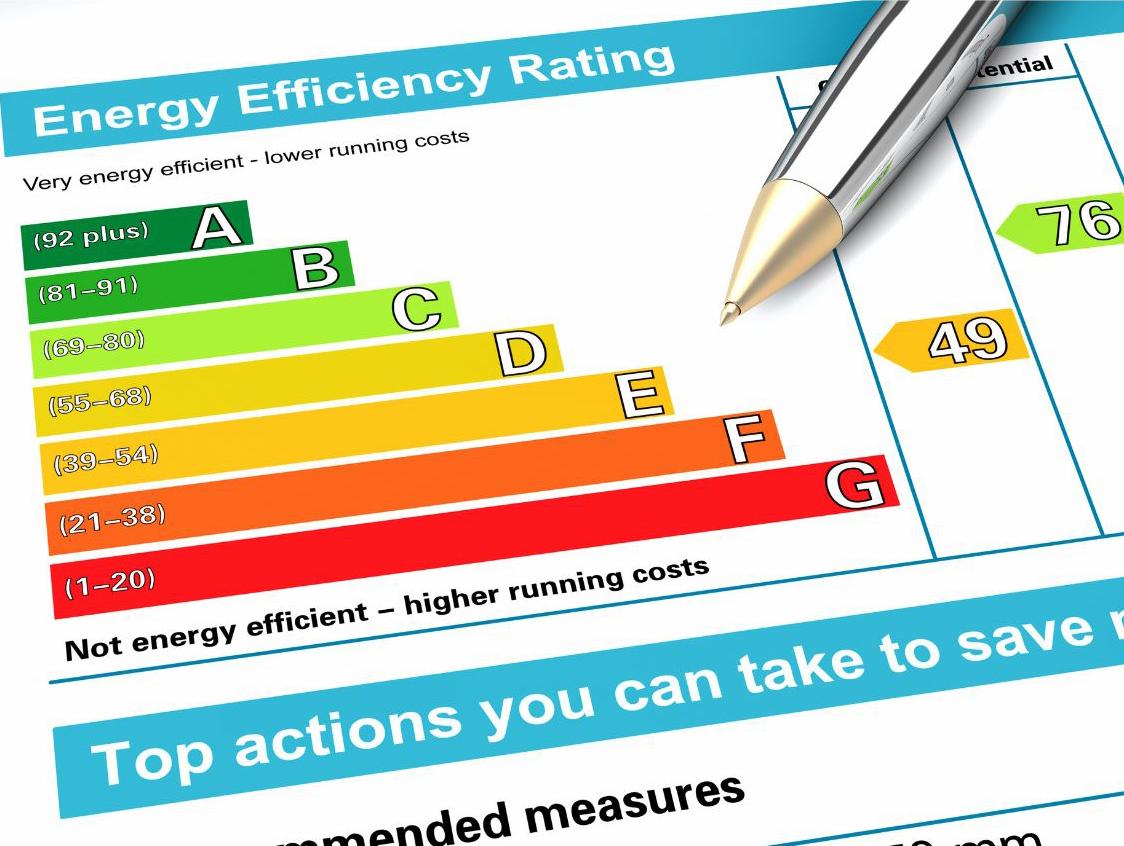
Energy efficiency rules are changing and while the final details are still being confirmed, one direction is already clear. Rental properties will be expected to reach EPC C by 2030, and the way EPCs are measured is evolving too.
For many landlords, especially those managing properties themselves or building portfolios, the concern isn’t just what is changing, it’s how to plan upgrades without facing large, unexpected costs later.
What Is An EPC And Why It Matters More Than Ever
An Energy Performance Certificate (EPC) measures how energy efficient a property is.
It also recommends improvements, shows estimated costs and gives an indication of potential yearly energy bill savings after upgrades are completed.
EPCs are also legally required to be disclosed in marketing materials when selling or renting a property. This means potential tenants and buyers will see the rating before they even view the property.
Increasingly, EPC ratings are influencing decision-making. Many tenants now actively look for more energy efficient homes to help manage rising energy costs, and buyers are also using EPC ratings to assess long-term affordability and future upgrade costs.
Historically, EPCs have focused heavily on energy running costs, rather than overall environmental performance. That is now shifting.
The Key Change: Moving From EPC E To EPC C
Currently, most rental properties must meet EPC E to be legally let.
Going forward, the expectation is that privately rented homes will need to reach EPC C by 2030.
The challenge is scale:
- Around 52% of PRS properties are currently below EPC C
- Average upgrade costs are estimated at around £6,864 per property
- Many landlords report being willing to spend less than this
This gap is why planning early is so important.
How EPC Ratings Are Calculated Today
EPCs currently use the Standard Assessment Procedure (SAP), based mainly on estimated costs of heating, lighting and hot water. Ratings range from A (most efficient) to G (least efficient).
Under the current system, it has sometimes been possible to improve EPC scores by installing cheaper-to-run heating systems, even if they weren’t the most environmentally efficient option.
How EPCs Are Expected To Work In The Future
New EPC formats are expected to move away from one single score and instead measure four areas:
• Fabric Performance – How well the building holds heat (insulation, windows, structure).
• Heating System Performance – Efficiency and carbon impact of the heating system.
• Smart Readiness – Ability to support smart energy technology.
• Energy Cost – Estimated yearly energy bill instead of just a band rating.
Fabric performance is expected to be non-negotiable which means, insulation and heat retention will come first before heating upgrades or technology improvements count fully.
The Cost Cap – What Landlords Need To Know
The proposed upgrade cost cap is £10,000, but this may reduce if that amount is more than 10% of the property’s value.
Example:
If a property is worth £80,000 → cap may reduce to £8,000.
Also important:
- Improvements made from October 2025 can count towards the 2030 cap
- EPCs issued before October 2029 should remain valid until they expire
This creates real opportunities for landlords who plan early.
How Lifeboat Lettings Helps Landlords Plan For EPC Changes
If you are unsure:
- How far your property is from EPC C
- Which upgrades are worth doing now
- How to plan costs across the next few years
Our team is here to help.
Book a call with Lifeboat Lettings and we can help you map out a realistic, property-specific plan.