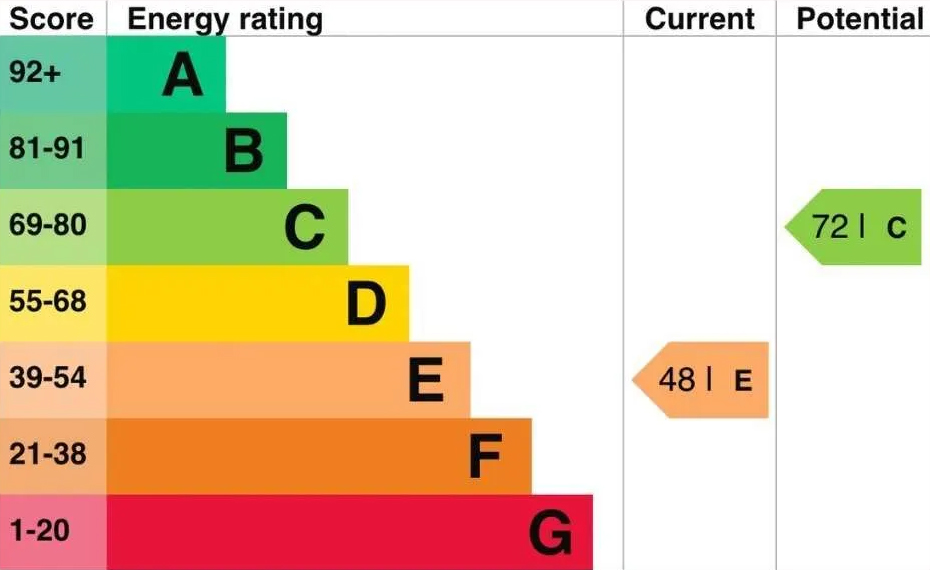
From 15 June 2025, a major update to how Energy Performance Certificates (EPCs) are calculated will come into effect — and landlords need to be prepared. At Lifeboat Lettings, we’re here to make sure our clients stay informed, compliant, and confident in managing their property portfolios. Here’s what you need to know, and how we can help you prepare.
What’s Happening?
The government is updating the Reduced Data Standard Assessment Procedure (RdSAP) — the method used to produce EPCs for existing properties — to version 10.
This version will bring RdSAP more in line with SAP 11, the full methodology used for new builds, and will introduce a number of changes to better reflect how homes actually consume energy in the real world.
Although your property’s A–G EPC rating will still look the same on the certificate, the way that rating is calculated will be different — and this could mean your rating changes, even if you haven’t made any physical alterations to the property.
How Will This Affect Landlords?
For many landlords across Kent, this update could have a direct impact on your ability to let your property legally.
Here’s how:
- Your current EPC may no longer reflect your property’s true performance under the new RdSAP 10 rules.
- A reassessment after 15 June could result in a lower EPC rating.
- If your property falls below the Minimum Energy Efficiency Standard (MEES) — currently E or above — you may no longer be legally allowed to let it out.
- Mortgage lenders and tenants are increasingly seeking higher-rated, energy-efficient homes — so your rating matters both for compliance and competitiveness.
Lifeboat Lettings’ Expert Tips for Staying Ahead
As lettings specialists in Kent, we’re already helping our landlords prepare for this change. Here’s how you can stay ahead of the curve:
1. Check the Age of Your EPC
If your EPC was issued before 2020, it was likely calculated using RdSAP 2012 (v9.94). We recommend arranging a new EPC assessment this year to understand your property’s current standing before the methodology changes.
2. Identify Risk Properties
If you have a property currently rated E or D, it may be at risk of dropping below the minimum standard under the new system. These homes are the most likely to be impacted.
3. Start Planning Improvements Now
Energy upgrades don’t need to be costly. In fact, many small improvements can make a big difference. Consider:
- Improving insulation (loft, floor, cavity wall)
- Replacing an old boiler with a modern, efficient model
- Installing smart heating controls
- Switching to low-energy lighting
- Upgrading single-glazed windows
We can help you identify which improvements offer the best value for boosting your EPC.
4. Take Advantage of Available Support
You may be eligible for grants or financial assistance to help with energy efficiency improvements — especially if your property has a low EPC rating or tenants on certain benefits. We’re happy to advise you, but you can also explore current schemes such as the Boiler Upgrade Scheme, ECO4, and local grants through Kent County Council.
5. Work with a Local Expert
As local property managers, we’ve supported many landlords through shifting legislation. We’ll keep you informed and help ensure your property is not only compliant but attractive to energy-conscious tenants too.
What’s the Bigger Picture?
The EPC overhaul is part of a broader government drive to improve the energy efficiency of the UK’s housing stock and move towards Net Zero 2050.
These changes won’t be the last, but being proactive now could protect your investments from costly voids, compliance issues, or last-minute scrambles later on.
You Don’t Need to Navigate This Alone
At Lifeboat Lettings, our mission is to give landlords peace of mind. That means staying one step ahead of changes like this and guiding you through them with clear, friendly, expert advice.
We’re already working with our managed landlords to assess EPCs, plan improvements, and avoid disruptions. If you’d like help understanding where you stand or what action to take — just reach out.
Let’s Chat About Your EPC – No Pressure, Just Friendly Advice
If you’re unsure whether your property is at risk under the new RdSAP 10 rules, or if you’d like us to review your EPC and suggest next steps — we’d love to help.
And we’ll give you straightforward, practical advice with no obligation.